 World Stick Museum
Fighting
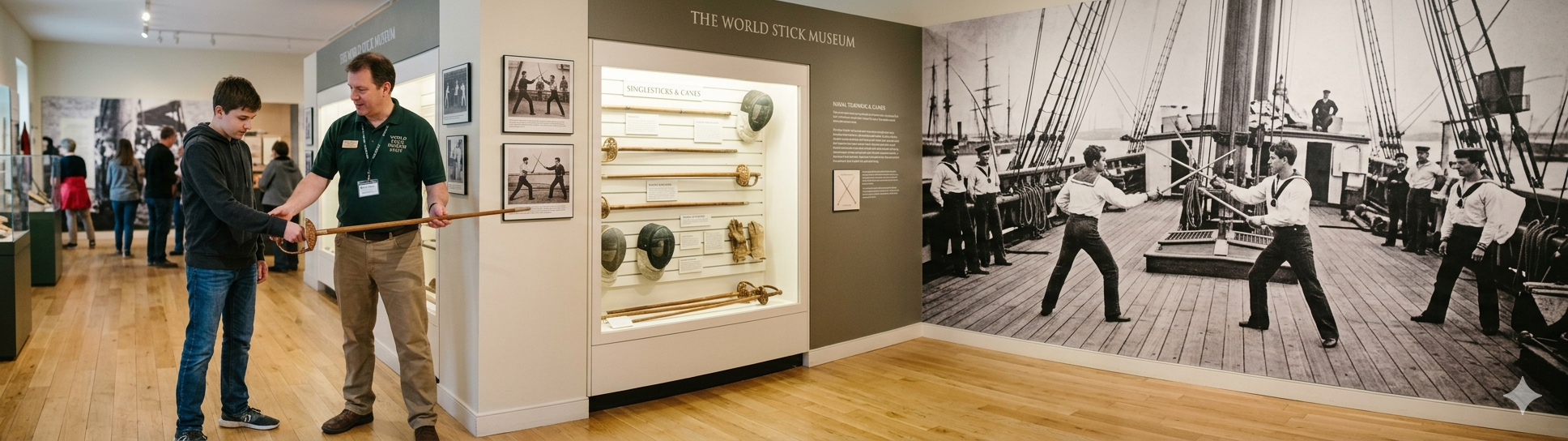
At the World Stick Museum, you can move beyond the glass cases and into the "sparring corner". Here, expert staff teach the techniques used in stick fighting martial arts from around the world.
Singlestick - a British martial art
Singlestick is a spirited martial art that bridges historical combat and modern fencing. Traditionally used to train sailors and soldiers in the use of the cutlass or sabres, it employs a sturdy ash rod and a protective basket hilt to simulate a sword's weight without the lethal edge. It is a rare chance to grasp a "lost" British pastime first-hand. Just remember: keep your guard up!
Clubs and Cudgels
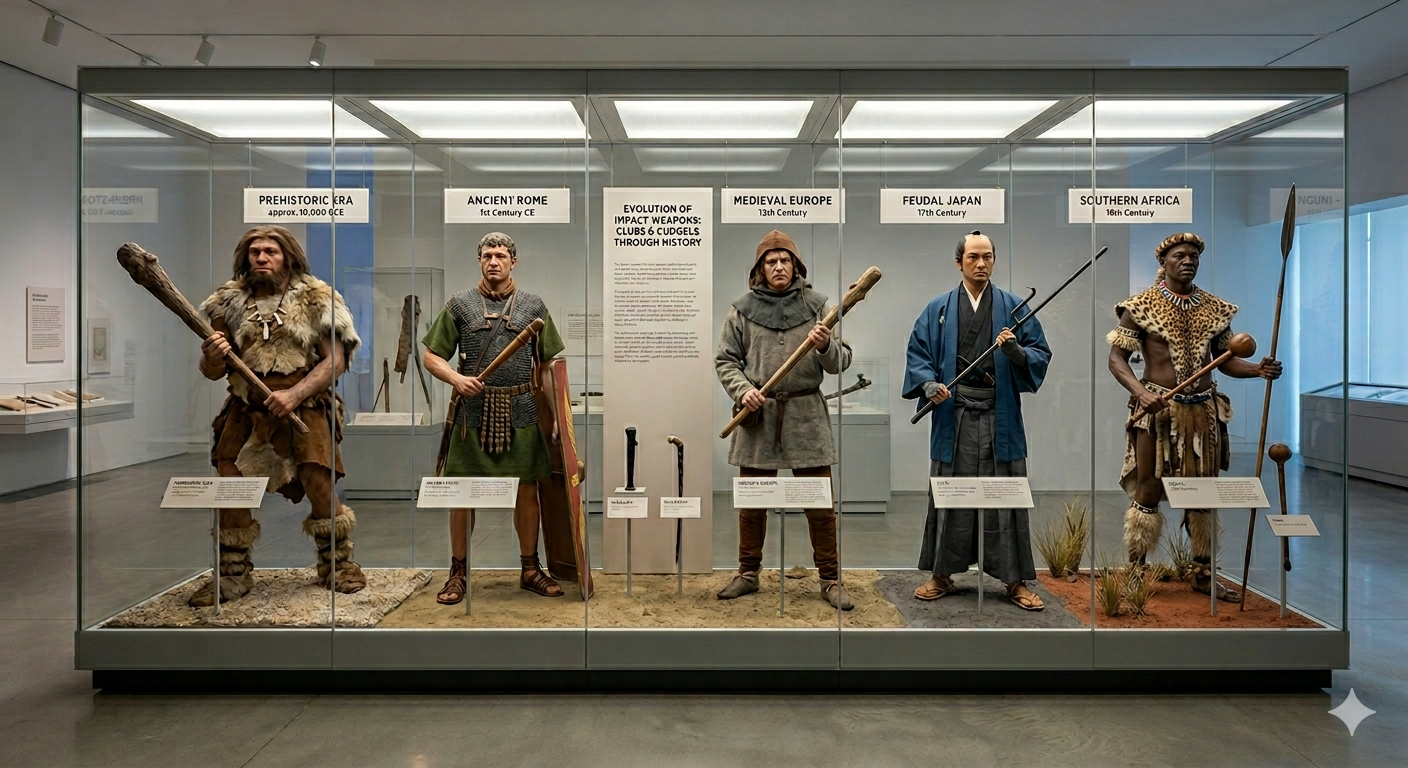
See meticulously detailed mannequins dressed in authentic period attire, ranging from prehistoric hide garments to the intricate armour of Feudal Japan and the traditional leopard-skin dress of the Nguni people. Each figure holds a characteristic weapon, such as the simple wooden club, the Roman baston, or the South African knobkierie. Our collection chronicals the universal history of stick-fighting across diverse civilisations and centuries.
Coming soon...Ntonga exhibit
Later this year, we have a new exhibit focussing on Nguni stick fighting. Originating among Southern Africa's Bantu-speaking peoples, Nguni stick fighting (intonga) evolved from pastoral herding practices and vital combat training. Historically used for settling disputes and honing warrior discipline, it transitioned from battlefield utility to a structured cultural ritual. Today, it survives as a regulated martial art, preserving ancestral heritage and valour.
This new exhibit charts the evolution of Intonga, from its origins on the veld. Atmospheric displays will illustrate the transition from battlefield necessity to ceremonial ukugiya (solo dancing) and formalised sport. The exhibit concludes with contemporary tournament gear, celebrating how this ancestral tradition maintains communal bonds and cultural valour today.
Spears
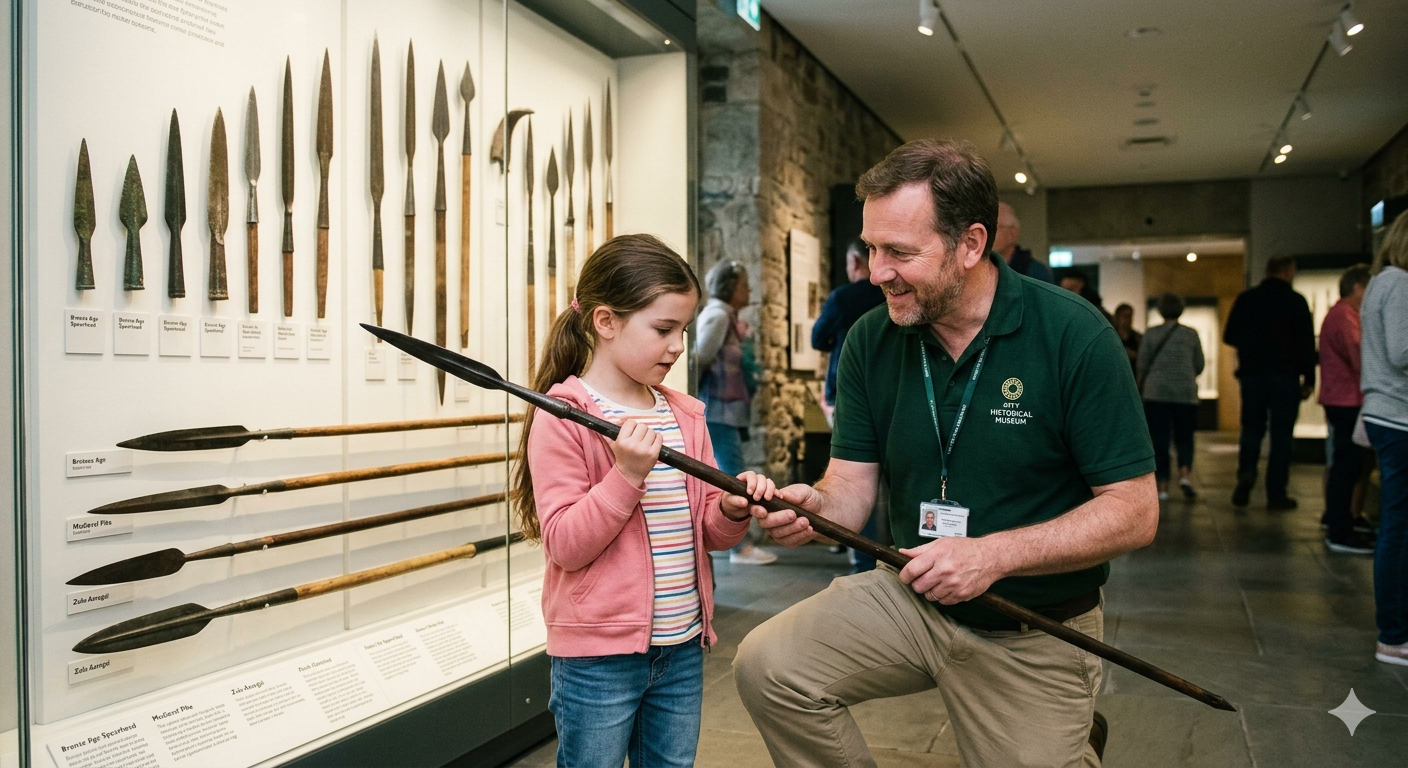
Spears combine a wooden shaft with a sharpened point made from stone, bone or metal. We have extensive displays of replica spears from simple sharpened shafts or flint tips to when the introduction of metalworking revolutionized their design. Spears evolved differently for hunting and war. Our colelctions of hunting spears prioritize range, leading to lighter javelins. Our spears for warfare demanded specialization: robust thrusting spears for formations and short, versatile designs like the Zulu Assegai. Materials shifted from bronze to iron and steel, but the spear’s lethal effectiveness remained constant over millennia of human conflict.
Riot and defence tools
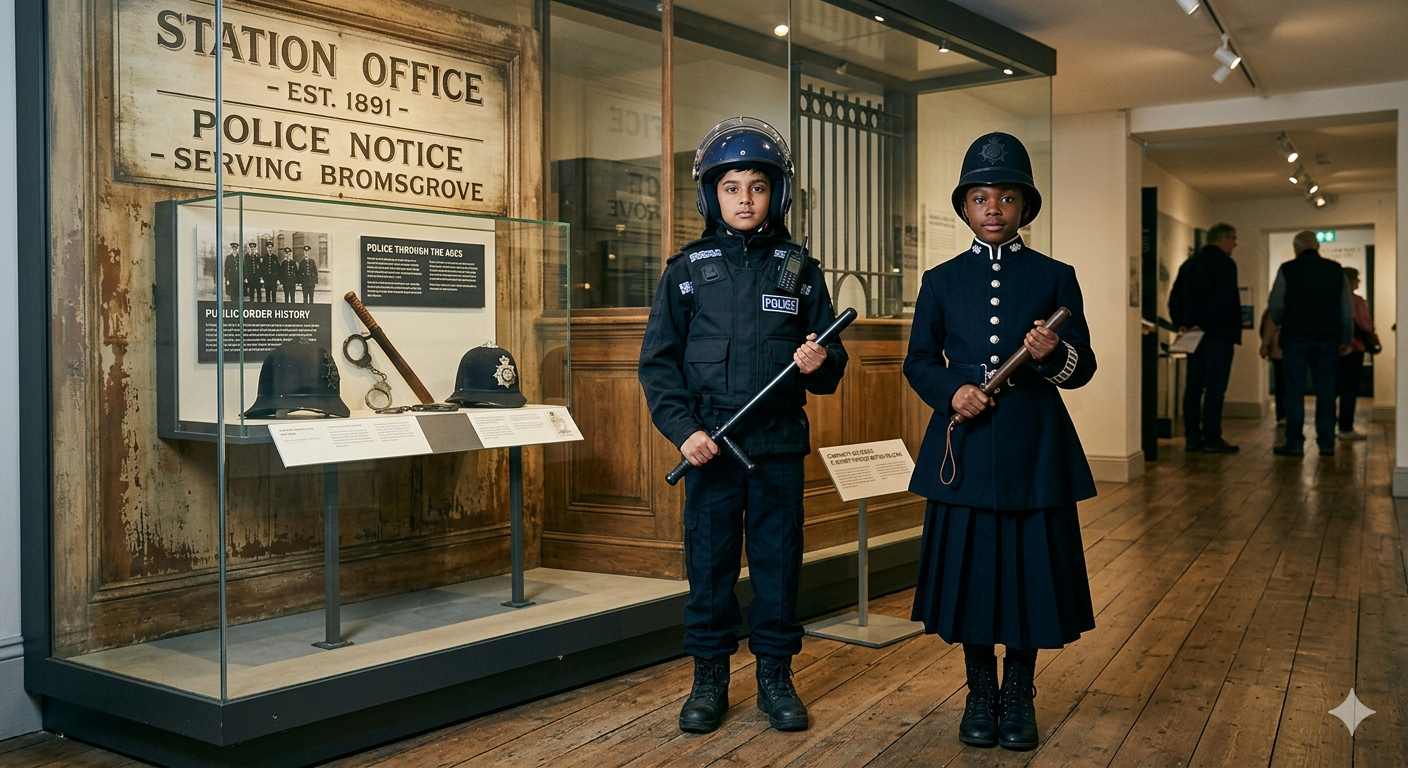
The use of sticks in law enforcement represents a transition from lethal force to modern compliance tools. Historically, the Victorian truncheon, often made of heavy hardwoods like cocuswood, served as both a defensive weapon and a symbol of authority. As policing evolved, so did the equipment; the long "nightstick" gave way to the side-handle baton, which offers superior leverage for blocking and restraint. Today, many officers carry the expandable friction-lock baton, favoured for its portability and psychological deterrent effect. These tools are designed to allow officers to maintain distance and control while minimising the risk of permanent injury during public order situations.