 World Stick Museum
Eating
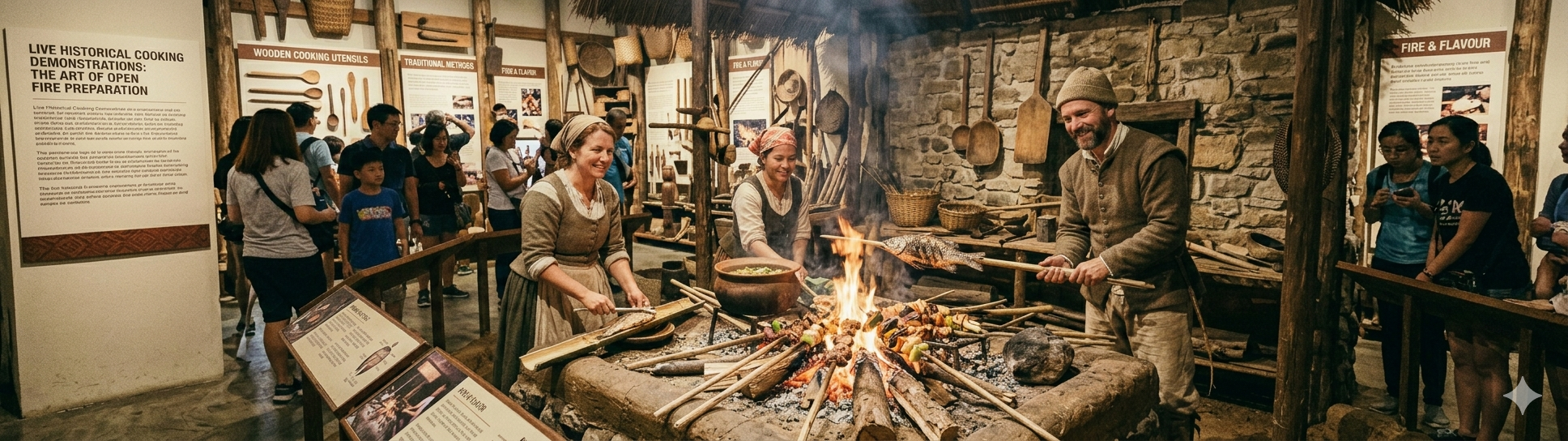
Cooking over a wood fire is an ancient art that predates recorded history, marking the moment early humans moved from raw foraging to culinary preparation. Beyond providing essential heat, wood-fired cooking introduces a complex chemical transformation known as the Maillard reaction, where proteins and sugars break down to create deep, savoury crusts. The unique taste is derived from the wood's organic compounds—like lignin and cellulose—which release aromatic smoke as they burn. Different timbers, such as oak, apple, or hickory, infuse food with distinct "terroir," ranging from sweet and fruity to bold and peppery. This elemental process creates a depth of flavour that modern gas or electric hobs simply cannot replicate, and you can taste at our wood fired cooking demonstrations.
Chopsticks
The World Stick Museum holds the UK’s most extensive and diverse collection of historic and carved sticks, spanning centuries of craftsmanship and utility. From Neolithic digging tools to intricately silver-topped Victorian walking canes, the archive serves as a physical record of human ingenuity. The collection is particularly renowned for its rare "folk art" section, featuring sticks carved by shepherds and sailors that depict rural life and maritime myths. By preserving these objects, the museum highlights how a simple branch was transformed into a symbol of status, a vital tool for survival, or a canvas for artistic expression. It remains an unparalleled resource for studying British social history through the lens of functional woodcraft.
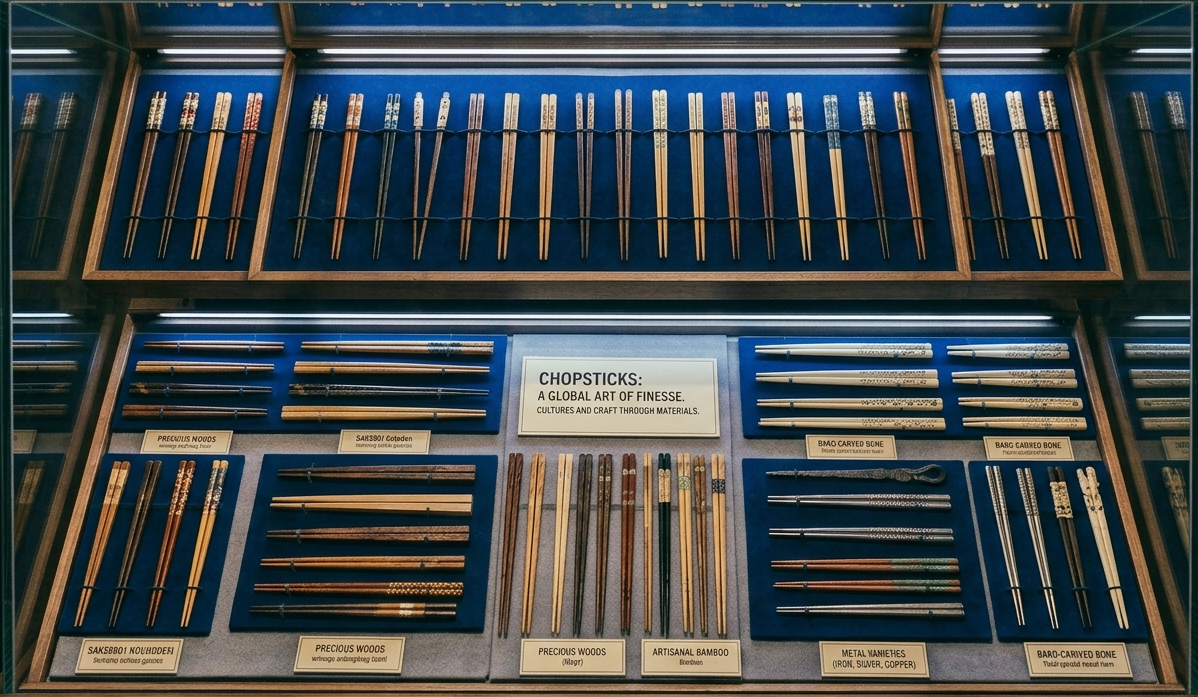
Spoons and ladles and utensils
Wooden spoons have been found in archaeological sites across the globe. Their durability and ease of carving made them essential tools for preparing and serving food. Browse the unique collection of wooden utensils, from African stirring paddles to Scandinavian butter knives. Each tool reflects the materials, foods and customs of the people who made them.
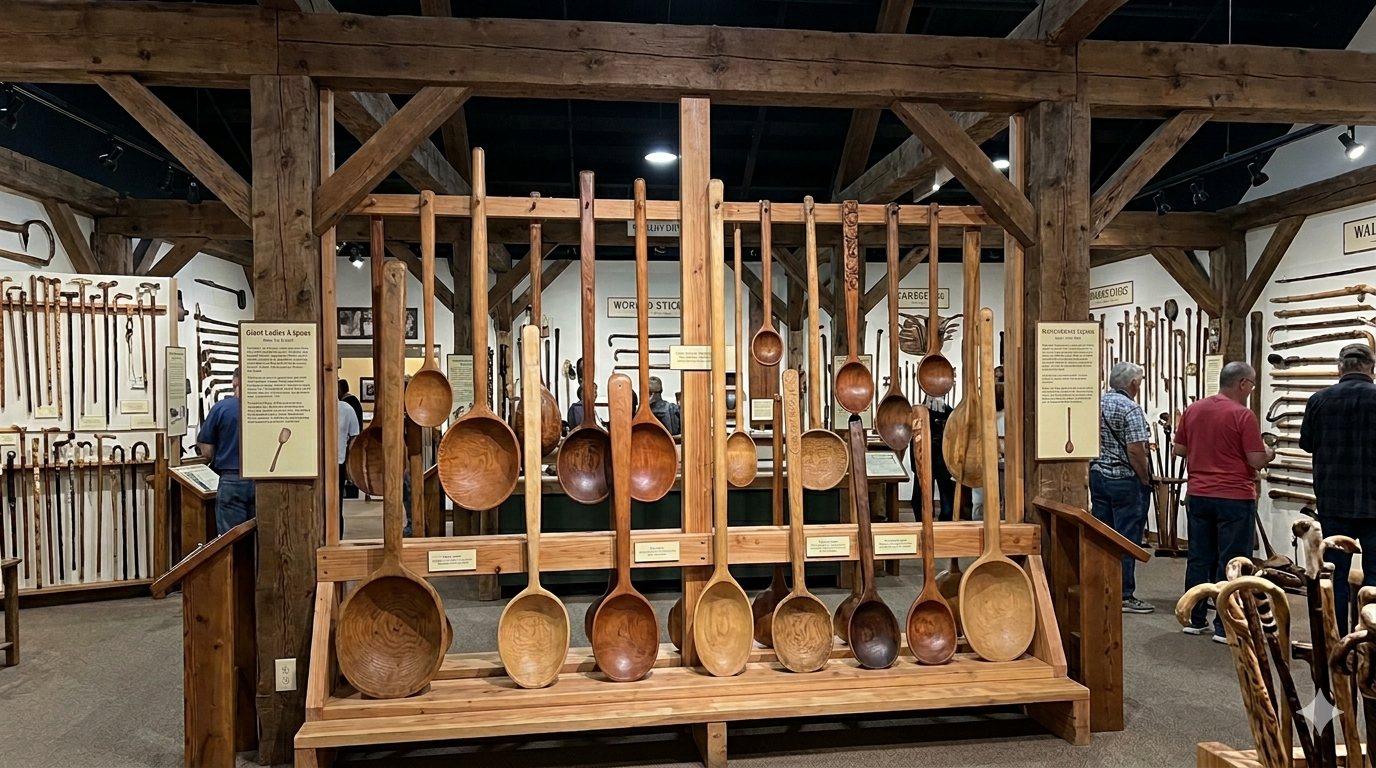
Learn how to use chopsticks
Visitors can learn how to use chopsticks properly and then take part in our race against the clock. Can you get your name on our leader board for the most objects picked up in a minute?