 World Stick Museum
Carving
Carving stands as one of humanity’s oldest art forms, representing a profound connection between the natural world and human ingenuity. With nothing more than a sharp tool and a piece of wood, people have created objects of beauty, utility, and cultural significance for thousands of years. This exhibit celebrates that enduring legacy, showcasing how raw timber is transformed into timeless treasures. From intricate ceremonial relics to humble household implements, explore the techniques and stories that define this global, tactile tradition.
Decorative carving
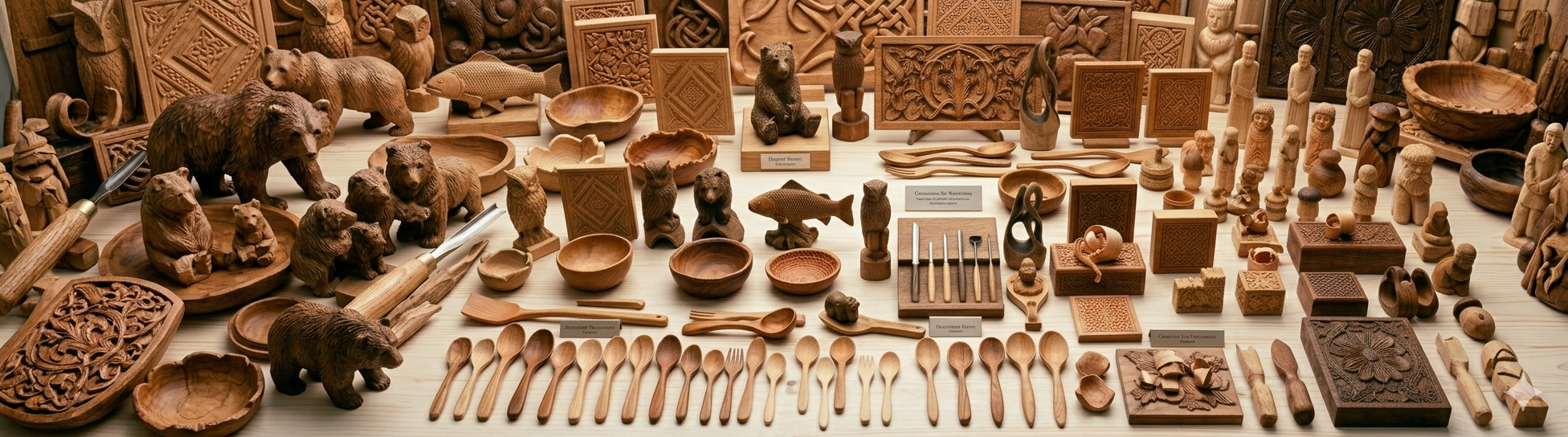
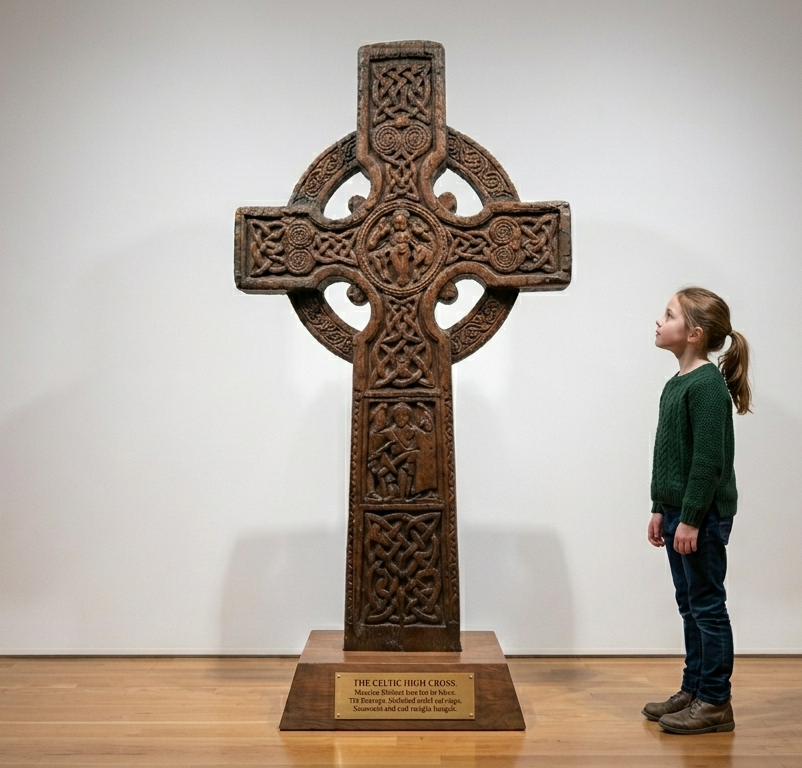
Step into a world where the dawn of humanity meets the mastery of the blade. Since our earliest ancestors first shaped timber into essential tools and sacred symbolic objects, carving has been the heartbeat of human innovation. At the World Stick Museum, you can witness this profound history firsthand, exploring archaeological wonders and carved figures dating back over 10,000 years. Marvel at the evolution of decorative mastery, from the mesmerising complexity of Celtic knotwork to the bold spiritual power of Māori patterns and the precise elegance of Scandinavian chip-carving. Each exhibit is a visual voyage into the soul of global cultures, revealing how a simple piece of wood becomes a vessel for identity and legend. Come and discover the tactile legacy that connects us all.
Functional carving
Carving stands as one of humanity’s oldest art forms, representing a profound connection between the natural world and human ingenuity. With nothing more than a sharp tool and a piece of wood, people have created objects of beauty, utility, and cultural significance for thousands of years. This exhibit celebrates that enduring legacy, showcasing how raw timber is transformed into timeless treasures.
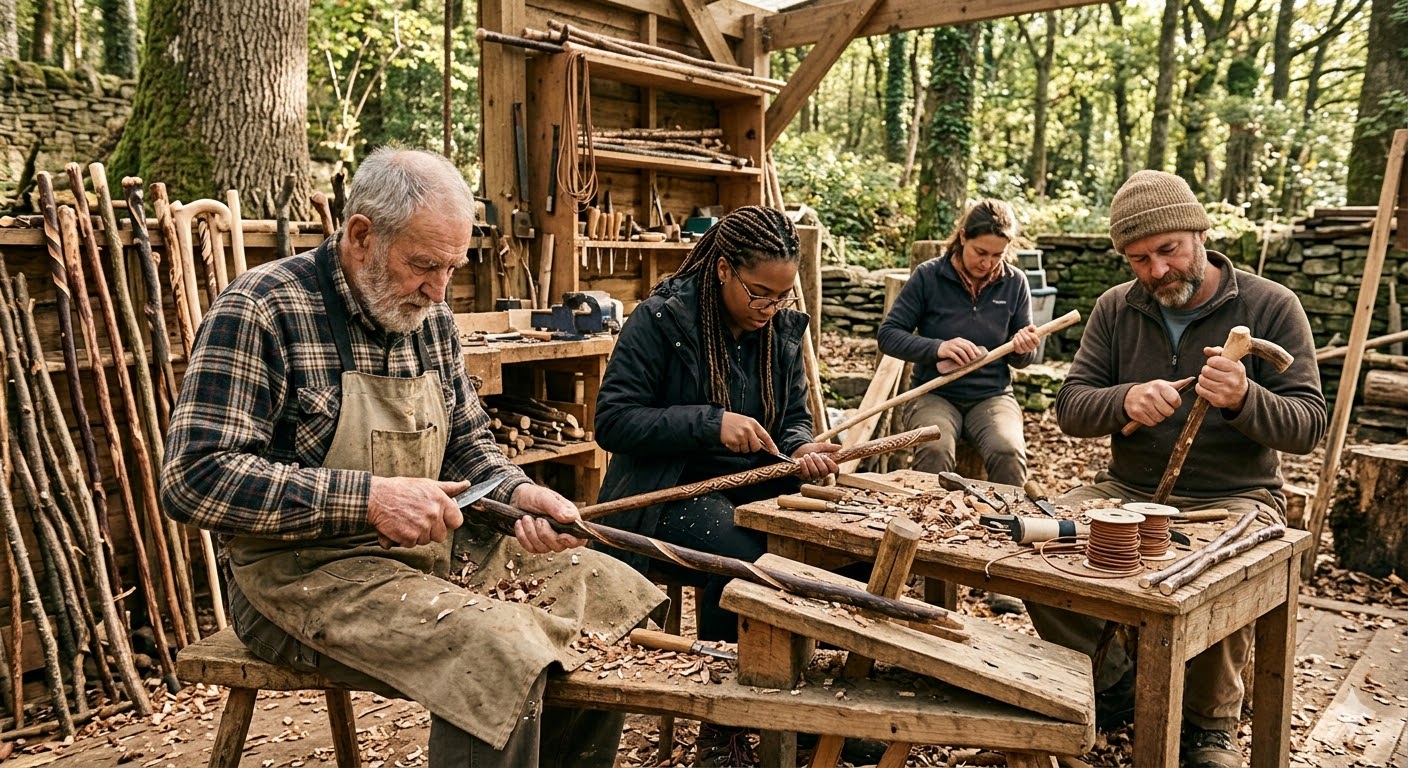
To bring these traditions to life, the World Stick Museum hosts international experts who provide live demonstrations. These master carvers share diverse global techniques, from the intricate relief work of European masters to the robust, functional styles of African Intonga artisans. Visitors can witness the precision and patience required to master this tactile, global heritage firsthand.
Love spoons
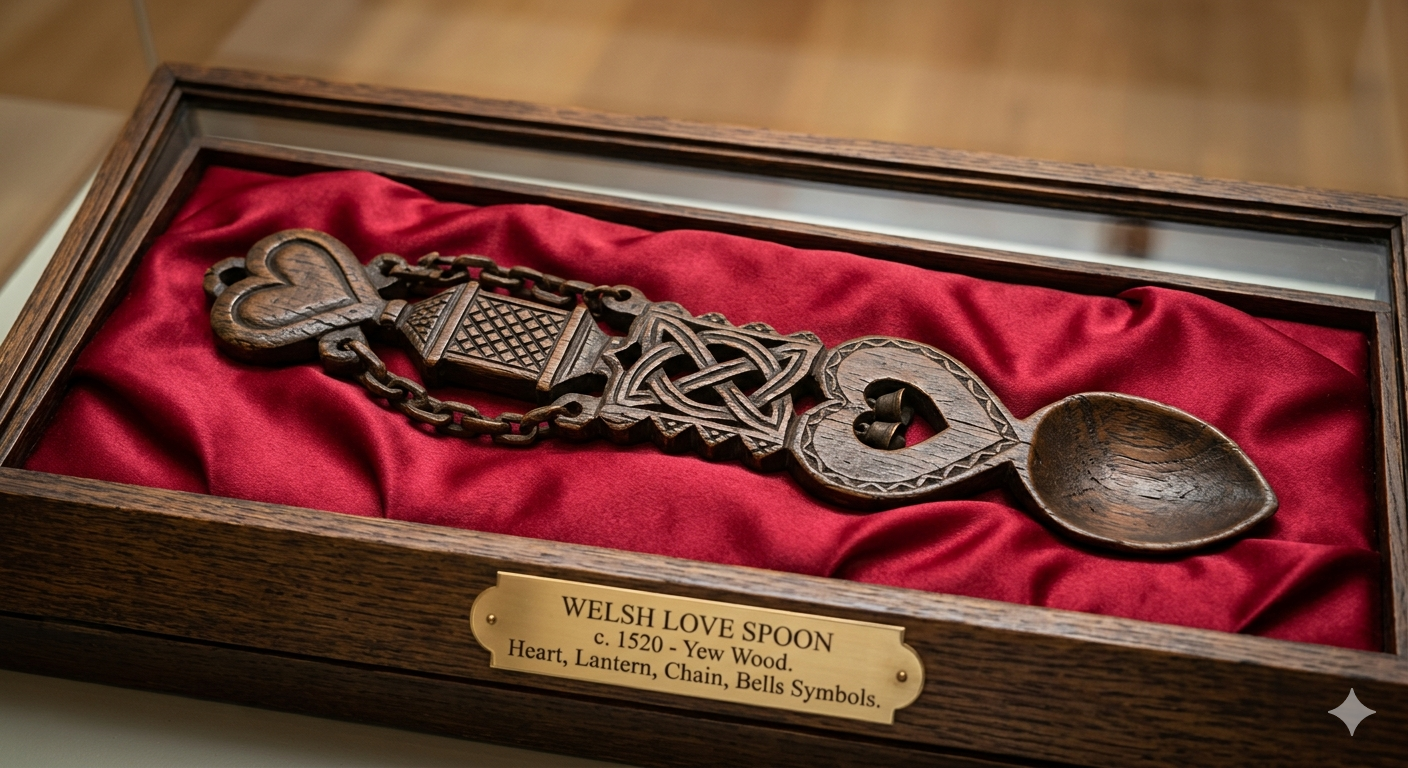
In Wales, carved wooden love spoons were traditionally given as tokens of affection. Each symbol carved into the spoon — hearts, knots, chains — carried a specific meaning. Our gallery is proud to house the world's most extensive collection of Welsh lovespoons, a testament to a centuries-old tradition of romance and craftsmanship. This unparalleled assembly features hundreds of unique timber carvings, ranging from 17th-century historical relics to contemporary masterpieces. Each spoon in our collection tells a silent story of devotion through intricate symbolism. Visitors can learn to deciphere the delicate chains representing eternal bonds, bells for weddings, and horseshoes for good luck—all carved from single blocks of wood. As the global custodian of this art form, we preserve these wooden lyrics to ensure the language of the lovespoon never fades.
Try it yourself
Visitors can try their hand at safe, supervised carving using soft wood and beginner‑friendly tools. Museum staff demonstrate techniques such as chip‑carving, whittling and relief carving.If you want to try something more advanced, join one of our training courses.